Why Vitamins Matter in Poultry Farming
Vitamins are essential micronutrients that poultry cannot synthesize in sufficient quantities on their own. They play critical roles in growth, immunity, reproduction, and overall flock health. Even small deficiencies can lead to reduced productivity, poor feed conversion, and increased susceptibility to disease.
Key Vitamins for Poultry
Vitamin A
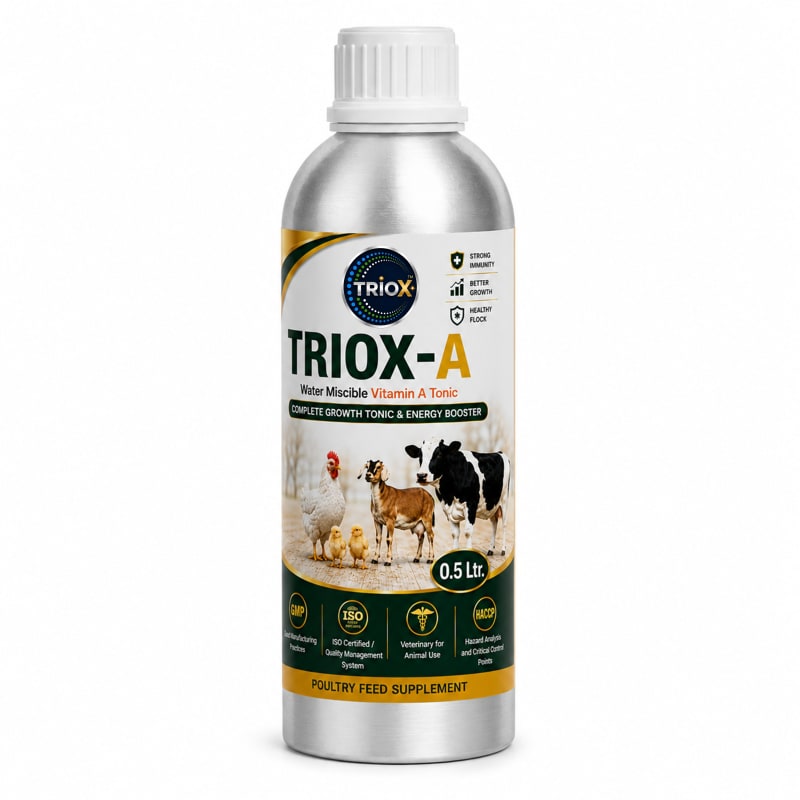
Vitamin A is vital for maintaining the health of epithelial tissues (skin, respiratory tract, digestive tract), supporting immune function, and promoting normal growth. Deficiency signs include reduced growth, poor feathering, eye problems, and increased vulnerability to respiratory infections.
Supplementation is particularly important during periods of stress, such as transportation, dietary changes, or disease recovery.
Vitamin D3
Vitamin D3 is essential for calcium and phosphorus metabolism, which directly impacts bone formation in growing birds and eggshell quality in layers. Birds that lack adequate Vitamin D3 may develop weak bones, reduced egg production, or thin-shelled eggs.
Vitamin E
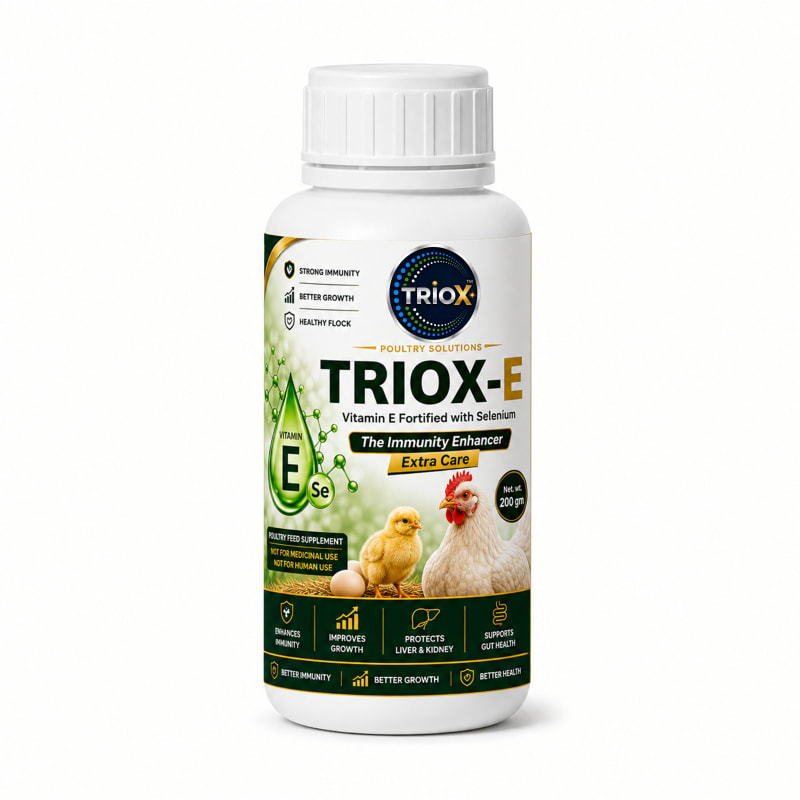
Vitamin E serves as an antioxidant that protects cells from oxidative damage. It works synergistically with selenium to support immune function, fertility, and hatchability. Supplementation is especially beneficial during vaccination, deworming, and periods of thermal stress.
B-Complex Vitamins
B vitamins support energy metabolism, nervous system function, and feed conversion efficiency. Deficiencies can manifest as poor growth, reduced appetite, and neurological symptoms.
When to Supplement
Vitamin supplementation is most beneficial during:
Practical Supplementation Tips
Summary
A well-planned vitamin supplementation programme supports better growth, improved feed conversion, stronger immunity, and higher production performance. Understanding each vitamin's role helps farmers make informed decisions about their flock's nutritional needs.